Dark Spots on Face: Causes and How to Fade Them
Pimple marks, sun spots or melasma? Learn what causes dark spots on your face and a simple, honest plan to help them fade.
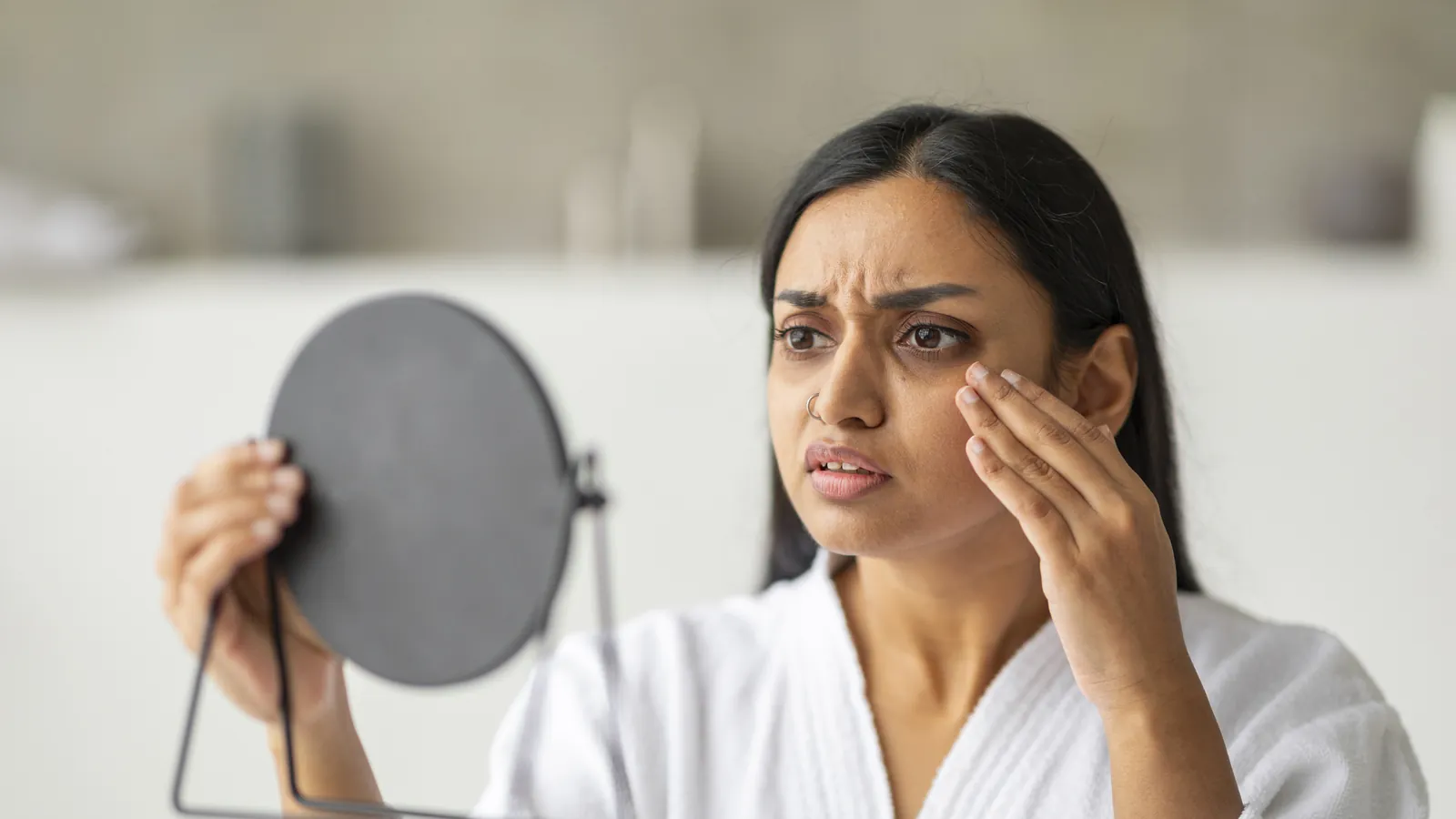
You fixed the pimple, but the dark mark it left is still there weeks later. Or the brown patches on your cheeks get darker every summer, no matter which cream you try.
Dark spots on the face are very common in Pakistan, and most of them can fade with the right habits and enough patience. Here is what causes them and what actually helps.
Quick answer
Most dark spots on the face come from extra melanin after pimples, injury or irritation, from sun damage, or from melasma. To fade them, stop the trigger, wear SPF 30 or higher every day, and use gentle brightening ingredients like vitamin C or kojic acid. Mild spots often take 6–12 months to fade.
Key takeaways
- Sun protection is the most important step. Without it, spots keep coming back darker.
- Brown and wheatish skin, which most Pakistanis have, tends to get darker marks that last longer.
- Ingredients like vitamin C, kojic acid, azelaic acid and retinoids can help, but slowly.
- Never use unlabelled “formula” creams. Some contain mercury or hidden steroids.
- See a doctor if a spot changes shape, size or colour, bleeds, or does not fade.
What are dark spots on the face?
Your skin gets its colour from melanin, a pigment made by skin cells. When those cells are irritated, injured or exposed to too much sun, they can make extra melanin in one area. That area looks darker than the skin around it.
Doctors call this hyperpigmentation. It is usually harmless, but it can affect how confident you feel, especially when it sits right on your cheeks or forehead.
The 4 most common causes
1. Marks left after pimples (post-inflammatory hyperpigmentation)
This is the most common reason for dark spots in young people. Any inflammation, like a pimple, a rash, a burn or a scratch, can push skin cells to make more pigment.
DermNet notes that these marks happen in all skin types but are more intense and last longer in darker skin. Picking or squeezing pimples makes them worse.
2. Sun damage (sun spots)
Years of sun exposure can leave flat brown spots on the face, cheeks and hands. In Pakistan’s strong sun, these can start early, especially if you ride a bike, wait at bus stops, or work outdoors.
3. Melasma
Melasma shows up as brown or greyish patches, often on both cheeks, the forehead, upper lip or nose. It is more common in women between 20 and 40, and in people with brown skin.
According to DermNet, triggers include sunlight (both UV and visible light), pregnancy, hormonal birth control, and family history. Melasma often gets darker every summer, so long-term sun protection matters a lot.
4. Irritation from products, medicines or hormones
The American Academy of Dermatology (AAD) lists harsh skin or hair products, some medicines, and hormonal changes as common triggers. Strong scrubs, perfumed soaps and “home remedies” like lemon juice can irritate skin and leave marks behind.
Cleveland Clinic also lists less common causes, such as thyroid or adrenal problems and low vitamin B12 or folic acid. This is one reason sudden or widespread darkening should be checked by a doctor.
| Type | What it looks like | Common trigger |
|---|---|---|
| Pimple marks | Flat brown spots where pimples were | Acne, picking, rashes |
| Sun spots | Small flat brown spots on sun-exposed skin | Years of sun exposure |
| Melasma | Larger brown or grey patches, often on both cheeks | Sun, hormones, pregnancy, genes |
| Irritation marks | Darker patches where a product was used | Harsh products, some medicines |
Why dark spots are harder in Pakistan
For much of the year, the midday sun in Karachi, Lahore, Multan and Peshawar is intense. Sunlight keeps pushing skin to make pigment, so spots that are fading can darken again.
Heat and humidity also play a part. Sweat during load-shedding, oily skin, and tight helmets or dupattas rubbing the face can lead to more pimples, and more pimples mean more marks.
Many Pakistanis also have medium to brown skin. That skin tans well, but it also forms darker, longer-lasting marks after inflammation.
How to fade dark spots: a step-by-step plan
Step 1: Find and stop the trigger
The AAD says treatment starts with the cause. If pimples keep coming, control the acne first. If a new cream stings or burns, stop it. Once the trigger is gone, many spots fade on their own over time.
Do not stop a prescribed medicine by yourself. Ask your doctor whether it could be causing the darkening.
Step 2: Wear sunscreen every single day
This is the step most people skip, and it is the one that matters most. The AAD recommends a broad-spectrum sunscreen of SPF 30 or higher, applied to all uncovered skin and reapplied every two hours when outside or sweating.
For spots and melasma, the AAD and DermNet also suggest a tinted sunscreen with iron oxide, because visible light can darken pigment too. Add a cap, hat or umbrella when you can. Read our full guide on how sunscreen helps with pigmentation to choose and apply it properly.
Step 3: Use gentle brightening ingredients
The AAD lists these over-the-counter ingredients as possibly helpful for fading dark spots:
- Vitamin C – an antioxidant often used for dull, uneven skin
- Kojic acid – a common ingredient in brightening creams
- Azelaic acid – also helpful for acne-prone skin
- Glycolic acid – a gentle exfoliating acid
- Retinoids – such as retinol or adapalene
Cleveland Clinic also mentions niacinamide. Pick one or two, not all of them at once. Too many actives together can irritate skin and create new marks.
Step 4: Keep cleansing gentle
Wash your face morning and night with a mild, soap-free cleanser. Skip harsh scrubs and rough towels. In hard-water areas, pat your face dry and do not rub.
From ZarDerm
Glowzar Lightening & Brightening Face Wash
A soap-free pump foam with L-Glutathione, Vitamin C and Alpha & Beta Arbutin, for face and neck morning and night. Most people can expect a brighter, more even-looking tone in 4–8 weeks, though results vary.
Step 5: Be patient and consistent
The AAD says a spot a few shades darker than your skin usually fades within 6 to 12 months once the cause is gone. Deeper pigment, which can look blue-grey, may take years. Treatment can speed this up, but nothing works overnight.
Take a photo in the same light every two weeks. It is easier to see slow progress that way.
A simple daily routine for dark spots
Morning
- Gentle cleanser
- A day cream or moisturiser with sun protection (SPF 30 or more)
- Reapply sunscreen if you are outside for long hours
Night
- Gentle cleanser
- One brightening product (for example vitamin C or a retinoid), if your skin tolerates it
- A light moisturiser
From ZarDerm
Glowzar Brightening Cream SPF 60
A day cream with SPF 60 built in, plus L-Glutathione, Kojic Acid, Vitamin C and Arbutin. Use it every morning after cleansing and reapply if you are outdoors for long hours. Strengths of the brightening ingredients are not printed on the pack.
You can put the face wash and cream together in the Bright routine builder, or browse everything in our Dark Spots & Uneven Tone range.
Some people also add a supplement. If you are curious, read our honest guide to glutathione tablets first. The evidence is modest, and tablets do not replace sunscreen.
What to avoid
- Unlabelled “formula” or beauty creams. The US FDA has warned that some skin-lightening products contain mercury, which can damage the kidneys and nerves. Others contain hydroquinone or hidden steroids that can cause rashes and permanent discolouration.
- Bleach, lemon, toothpaste or baking soda. These irritate skin and can make spots darker.
- Picking pimples. Every squeeze raises the chance of a new mark.
- Too many actives at once. Redness and peeling can lead to more pigment.
If a product does not list its ingredients clearly, do not put it on your face. Our guide on how to read skincare labels shows what to check.
When to see a doctor
See a dermatologist (skin specialist) if:
- A spot is changing in size, shape or colour, or looks different from your other spots
- A spot has uneven or blurry edges, several colours, bleeds, itches or does not heal
- Dark patches appear suddenly over a large area, or come with tiredness or weight changes
- Your spots have not improved after 3 months of daily sunscreen and gentle care
- You are pregnant or breastfeeding and want to start a new active ingredient
The AAD’s “ABCDE” signs (asymmetry, border, colour, diameter, evolving) help spot moles that need checking. A dermatologist can also offer prescription creams or procedures when needed.
Frequently asked questions
How long do dark spots take to go away?
Mild spots often fade within 6 to 12 months once the cause is stopped and you use sunscreen daily. Deeper or older pigment can take longer. Brightening products may help speed it up a little.
Can dark spots go away naturally?
Many pimple marks fade on their own with time, as long as new pimples stop and you protect your skin from the sun. Sun spots and melasma usually need ongoing sun protection to stay lighter.
Which is better for dark spots, cream or face wash?
A face wash is on your skin for only a minute, so it is a gentle support step. A leave-on cream, especially one with sun protection, usually does more of the work. Using both in a simple routine is fine.
Do dark spots come back?
They can, especially melasma, which often darkens again in summer. Daily sunscreen, shade and gentle skin care are the best way to keep them from returning.
Is it safe to use whitening creams from the market?
Be careful. Creams without a clear ingredient list may contain mercury, steroids or high-strength hydroquinone. Choose clearly labelled products from known manufacturers, and ask a doctor if you are unsure.
This article is general information, not medical advice. Skin responds differently from person to person. If you have a spot that worries you, please see a qualified doctor or dermatologist.
Sources
- How to fade dark spots in darker skin tones — American Academy of Dermatology (accessed 2026)
- Hyperpigmentation: What It Is, Causes and Treatment — Cleveland Clinic (2021)
- Postinflammatory hyperpigmentation — DermNet (accessed 2026)
- Melasma — DermNet (accessed 2026)
- Sunscreen FAQs — American Academy of Dermatology (accessed 2026)
- FDA Warns Consumers of Skin Products Containing Mercury and/or Hydroquinone — US Food and Drug Administration (accessed 2026)
- What to look for: ABCDEs of melanoma — American Academy of Dermatology (accessed 2026)
Not sure what your skin or hair needs?
Take the 1-minute quiz and get a routine with 10% off.
Keep reading
All articles Pigmentation & Dark Spots
Glutathione Tablets: Benefits, Dosage and Side Effects (Honest Guide)
Do glutathione tablets work for skin? An honest look at the evidence, dosage, side effects and the risks of whitening injections.
 Pigmentation & Dark Spots
Sunscreen for Pigmentation: Why SPF Matters in Pakistan’s Sun
Dark spots keep coming back? Learn how SPF, UVA and visible light affect pigmentation, and how much sunscreen to really apply.
 Hair Fall
 in Pakistan: 9 Common Causes and What Actually Helps
From low ferritin and vitamin D to stress, PCOS and hard water: the real hair fall reasons in Pakistan, and what actually helps.