Skincare Routine for Oily Skin in Pakistan's Heat and Humidity
A simple morning and night routine for oily skin in Pakistan's heat and humidity, plus the habits that make the biggest difference.
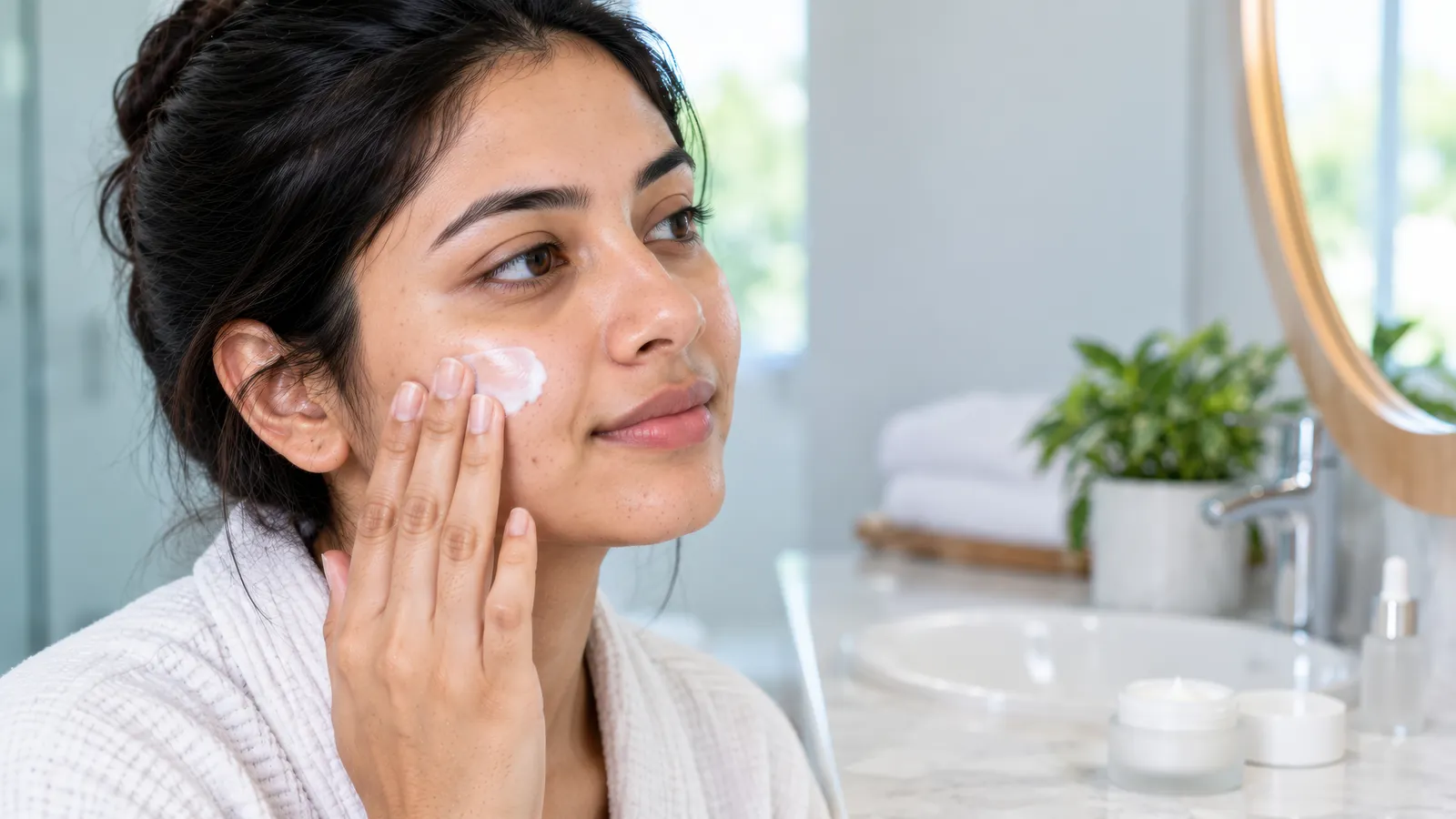
By noon your face shines like you’ve just stepped out of the shower, and by evening the pimples are back. In Karachi’s humidity or a Lahore June with load-shedding, oily skin can feel impossible to control. The good news: a short, gentle routine works better than washing your face ten times a day.
Quick answer
A good skincare routine for oily skin in Pakistan is simple: wash with a gentle cleanser morning and night (and after heavy sweating), use a medicated sulphur or salicylic acid bar on congested areas, and wear a lightweight SPF 30+ every morning. Don’t scrub or over-wash, use blotting papers in the day, and keep a light moisturiser.
Key takeaways
- Cleanse twice a day and after sweating. More than that tends to irritate skin, not dry the oil.
- Oily skin still needs moisture and sunscreen. Skipping them often makes things worse.
- Use medicated washes like sulphur and salicylic acid on breakout areas, not as a harsh all-over scrub.
- Blot, don’t rub. Change pillowcases often and wash your face after a sweaty helmet ride.
- See a doctor for painful, deep or scarring pimples.
Why oily skin gets worse in Pakistan’s summer
Your skin makes an oil called sebum to protect itself. Some people simply make more of it than others. In hot, humid weather, sweat mixes with that oil, so your face looks shinier and feels stickier.
Daily life here adds to it:
- Heat and humidity in Karachi, and the sticky monsoon months everywhere.
- Load-shedding, when the fan stops and you sweat through the night.
- Helmets and dupattas that trap sweat against the skin on a long bike ride.
- Strong sun most of the year, which tempts people to skip sunscreen because it “feels greasy”.
The mistake many people make is fighting oil with harsh soaps, scrubs and constant washing. The American Academy of Dermatology (AAD) advises against scrubbing because it irritates skin. Irritated skin looks redder and can break out more.
The basic rules for oily skin
1. Cleanse gently, twice a day and after sweating
The AAD recommends washing your face up to twice a day and after sweating. Use lukewarm water (not very hot) and your fingertips, not a rough towel or loofah.
Choose a mild, foaming face wash. Avoid oil-based or alcohol-based cleansers, which can irritate oily skin.
2. Use a medicated bar on congested areas
If you get blackheads, small pimples, or bumps on your forehead, chest or back, a medicated cleanser can help. Two common ingredients are:
- Salicylic acid, which DermNet explains softens keratin and helps keep pores from clogging. It also helps break down blackheads and whiteheads.
- Sulphur, a long-used ingredient in medicated soaps for oily and breakout-prone skin. Read more in our guide to sulphur soap for pimples and fungal acne.
Use these where you need them. DermNet warns that using salicylic acid more often or for longer than directed can increase how much gets absorbed through the skin. If your skin starts stinging, peeling or turning red, cut back.
3. Don’t skip moisture
It sounds strange, but the AAD says oily skin still needs a moisturiser after cleansing. Pick something light and labelled “oil free” or “non-comedogenic” (less likely to clog pores). A moisturiser that already has SPF saves you a step in the morning.
4. Wear sunscreen every morning
The AAD recommends a broad-spectrum sunscreen with SPF 30 or higher. In Pakistan’s strong sun, daily protection also matters if pimples leave dark marks behind. Our article on sunscreen for pigmentation in Pakistan’s sun explains why.
Lightweight creams and gels feel better on oily skin than thick, oily lotions. For oily skin, the AAD suggests sunscreens with zinc oxide or titanium dioxide and without fragrance or oils.
5. Blot, don’t wash again
Midday shine? The AAD suggests pressing blotting papers gently on your face for a few seconds. Don’t rub, as that spreads the oil around. A clean tissue works in a pinch.
Your oily skin routine: morning and night
Here is a simple plan you can actually stick to.
| When | Step | What to use |
|---|---|---|
| Morning | 1. Cleanse | Gentle foaming face wash, lukewarm water, fingertips |
| Morning | 2. Protect | Lightweight SPF 30+ day cream on face and neck |
| Daytime | 3. Control shine | Blotting paper; wash face after heavy sweating (e.g. after a helmet ride) |
| Night | 4. Medicated cleanse | Sulphur and salicylic acid bar on oily, congested areas: lather, leave a few minutes, rinse |
| Night | 5. Light moisture (optional) | Oil-free, non-comedogenic moisturiser if skin feels tight |
| Weekly | 6. Habits | Fresh pillowcase every few days, clean phone screen, wash caps and helmet liners |
The ZarDerm Clear routine
If you want this routine with products we make in Karachi, our Clear routine maps onto it like this:
- Fungizar Medicated Bar with sulphur, salicylic acid and EDTA, for oily, congested, breakout-prone skin on the face, back, chest and shoulders. Lather it, leave it on for a few minutes, then rinse. The pack allows 2–3 times a day; on the face, many people do better starting once a day and building up.
- Glowzar Brightening Cream SPF 60 every morning after cleansing, and again if you’re outdoors for long hours. It doubles as your day cream.
- Glowzar Face Wash (optional), a soap-free pump foam for a gentle morning and night wash, so the medicated bar can stay on congested areas.
Please patch test any new product first on a small area for a day or two. Note that the strengths of the actives in these three products are not printed on the packs. The Glowzar cream uses a chemical UV filter (Benzophenone-3), so if your skin reacts to chemical sunscreens, try it on a small area first.
From ZarDerm
Fungizar Medicated Bar with Sulphur & Salicylic Acid
A medicated bar for oily, congested, breakout-prone skin on the face, back, chest and shoulders. Lather, leave on a few minutes, then rinse.
Pair it with Glowzar Brightening Cream SPF 60 in the morning, and add the Glowzar face wash (facewash) if you’d like a gentler daily cleanse. You can put the full set together in the Clear routine builder, or browse all products for oily skin and pimples.
Habits that make a real difference
Sweat and helmets
The AAD notes that sweat trapped under a hat or helmet can irritate skin. After a long ride or a sweaty commute, rinse your face with water or a gentle cleanser as soon as you can. Wash cap linings and helmet pads regularly.
Pillowcases and phones
Your pillowcase collects oil, sweat and hair oil every night. Change it every few days, especially in summer. Wipe your phone screen too, since it presses against your cheek.
Hands off
The AAD says touching your face during the day can make acne flare. The NHS adds that picking or squeezing spots can cause scars.
Hair oil and heavy makeup
Coconut or mustard oil left overnight can slide onto your forehead. Keep oiled hair away from your face, and remove all makeup before bed. Choose oil-free, water-based makeup.
Is it pimples or fungal acne?
If you have lots of small, same-sized, itchy bumps on your forehead, chest or back that get worse with heat and sweat, it could be fungal acne (Malassezia folliculitis), not regular pimples. Learn the signs in fungal acne or regular pimples: how to tell. For breakouts below the neck, read about back acne causes and prevention.
Common mistakes with oily skin
- Washing 4–5 times a day. Stick to twice, plus after sweating.
- Scrubbing with grainy scrubs or a towel. This irritates skin.
- Skipping sunscreen because it feels heavy. Try a lighter texture instead.
- Using many strong products at once. Start one new product at a time.
- Using random fairness or “formula” creams from the market. A 2024 Karachi study found steroid-induced acne in most patients who had used steroid or fairness creams on the face. Never use a steroid cream on your face unless a doctor prescribes it.
When to see a doctor
A routine helps everyday oiliness and mild breakouts. The NHS advises seeing a doctor if:
- Your acne isn’t improving after a few months of looking after it yourself.
- You have many spots, or deep, painful lumps.
- Pimples are leaving scars or dark marks.
- The skin looks infected: hot, swollen and red.
- Your skin is affecting your confidence or mood.
Also see a doctor if you suspect fungal acne, since it needs proper confirmation, or if oily skin comes with irregular periods or excess facial hair.
Frequently asked questions
How many times should I wash an oily face in summer?
Twice a day, plus after heavy sweating. Washing more often tends to irritate skin rather than reduce oil. Use blotting paper for midday shine.
Do I really need moisturiser if my skin is oily?
Yes, a light one. The AAD advises keeping a moisturiser even for oily skin. A day cream with SPF can cover both moisture and sun protection in the morning.
Which sunscreen is best for oily skin in Pakistan?
Choose broad-spectrum SPF 30 or higher in a lightweight texture. Apply it every morning and reapply if you’re outdoors for long hours.
Can I use a medicated soap on my face every day?
Many people can, but start slowly. Use it on oily, congested areas, and cut back if your skin gets dry, red or stings.
Will drinking more water reduce oily skin?
Staying hydrated matters in the heat for your overall health, but there’s no good evidence that extra water reduces facial oil. Gentle cleansing and the right products do more.
This article is general information, not medical advice. Patch test new products and speak to a doctor about painful, persistent or scarring acne.
Sources
- How to control oily skin — American Academy of Dermatology
- Face washing 101 — American Academy of Dermatology
- Acne: Tips for managing — American Academy of Dermatology
- How to select a sunscreen — American Academy of Dermatology
- Salicylic acid — DermNet
- Acne — NHS
- Obsession to fairness and topical steroid induced acne: a situation analysis in Karachi — Pakistan Journal of Medical Sciences (2024)
Not sure what your skin or hair needs?
Take the 1-minute quiz and get a routine with 10% off.
Keep reading
All articles Acne & Oily Skin
Fungal Acne or Regular Pimples? How to Tell the Difference
Itchy, same-size bumps that never clear? Learn how fungal acne differs from regular pimples, what triggers it, and how doctors treat it.
 Acne & Oily Skin
Sulphur Soap for Pimples and Fungal Acne: How to Use It
How sulphur and salicylic acid work on oily, congested skin, how to use a medicated bar without drying your skin out, and when to see a doctor.
 Acne & Oily Skin
Back Acne (Bacne): Causes, Prevention and Treatment at Home
Why back acne happens in Pakistan's heat, from sweat and backpacks to hair oil, plus simple prevention, home care and when to see a doctor.