Sulphur Soap for Pimples and Fungal Acne: How to Use It
How sulphur and salicylic acid work on oily, congested skin, how to use a medicated bar without drying your skin out, and when to see a doctor.
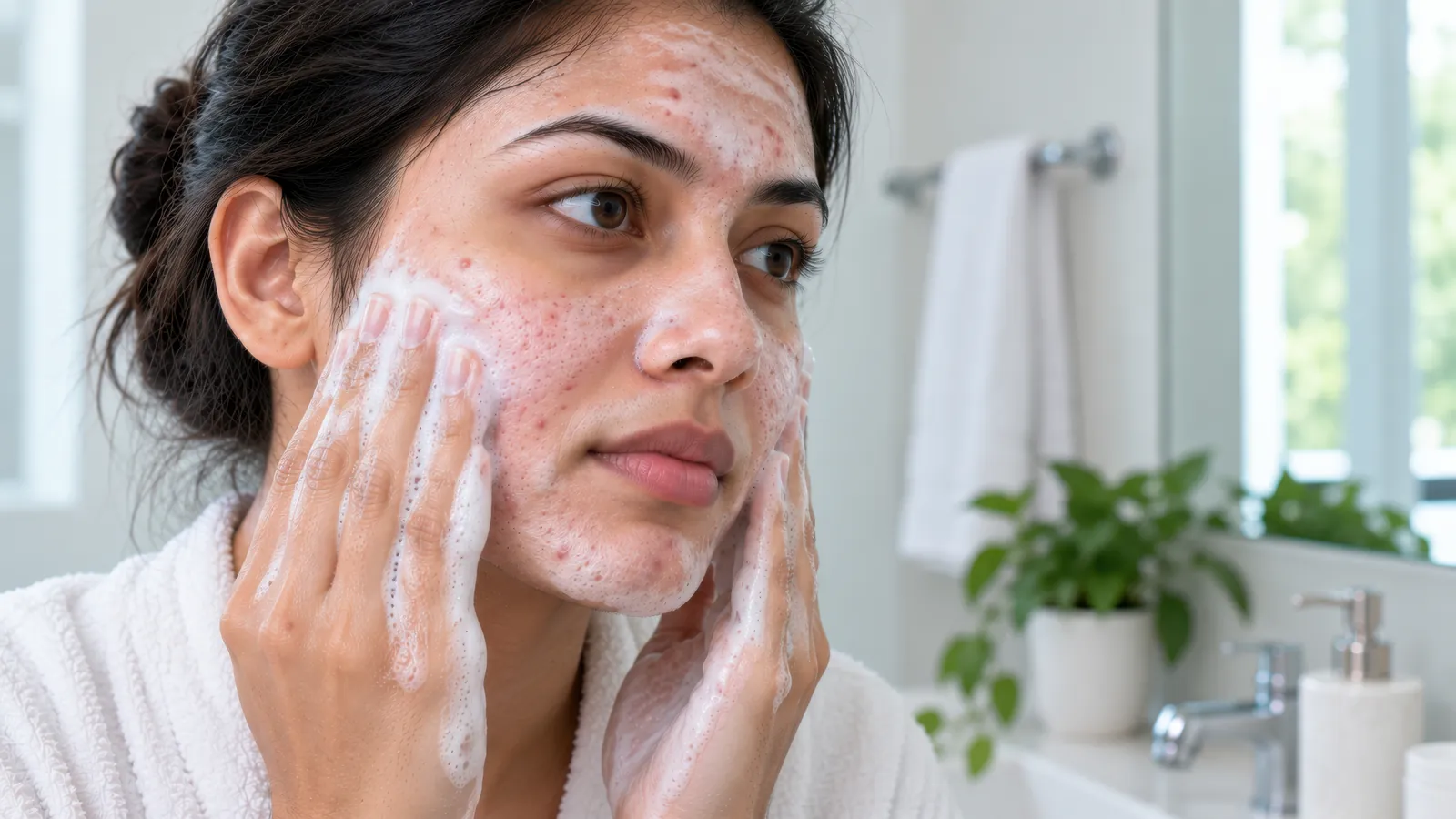
Oily forehead by noon, small bumps on the chin, and a back that breaks out every summer. If that sounds like you, someone has probably told you to “just try a sulphur soap”. Sulphur is one of the oldest skin ingredients still in use, and it can help oily, congested skin, but only if you use it the right way.
Quick answer
A sulphur soap with salicylic acid can help oily, pimple-prone skin by loosening clogged pores and acting on surface bacteria and yeast. Use it as a short-contact wash: lather, leave it on for a few minutes, rinse, then moisturise. Start slowly, expect some dryness at first, and see a doctor for painful or stubborn acne.
Key takeaways
- Sulphur has antibacterial, antifungal and pore-loosening (keratolytic) activity. Salicylic acid helps clear blackheads and whiteheads.
- A medicated bar works best as a short-contact lather, not a quick splash and not a hard scrub.
- Start with once a day, moisturise after, and build up only if your skin is comfortable.
- Itchy, same-size bumps on the chest and back may be “fungal acne”, which needs a doctor’s diagnosis.
- Give any acne routine 6–8 weeks before you judge it.
What sulphur and salicylic acid actually do
These two ingredients are often found together in medicated soaps for a reason. They work in different ways, so together they cover more of the problem.
Sulphur
A review in the Journal of Drugs in Dermatology describes sulphur as having antifungal, antibacterial and keratolytic activity. Keratolytic simply means it softens and loosens the dead skin that can block pores.
Sulphur has been used for decades on oily and breakout-prone skin, dandruff and other yeast-related skin problems. The same review notes that side effects are rare and are mostly mild irritation where it is applied.
Salicylic acid
Salicylic acid is a beta hydroxy acid (BHA). According to DermNet, it slows down the shedding of cells inside the hair follicle so they do not clump together, and it helps break down blackheads and whiteheads.
It is one of the over-the-counter acne ingredients the NHS suggests trying for mild acne, along with benzoyl peroxide.
Why they are paired
Sulphur is often combined with salicylic acid because both loosen pore-clogging dead skin, while sulphur adds its action against bacteria and yeast. For oily, congested skin, that combination makes sense. It is not a magic fix, and it will not replace prescription treatment for moderate or severe acne.
Why oily skin breaks out so easily in Pakistan
Acne starts when pores get clogged with oil and dead skin. In our climate, a few everyday things make that much more likely:
- Heat and humidity. Karachi’s sticky air, Lahore’s summers and the monsoon months keep skin damp and oily for hours.
- Load-shedding sweat. When the fan stops at night, sweat sits on your face, neck and back until morning.
- Synthetic uniforms. Polyester school and office uniforms trap sweat against the chest and back.
- Helmets and backpacks. Motorbike helmets rub the forehead and jaw, and bag straps rub the shoulders and back.
- Heavy creams and hair oils. Oily products can clog pores along the hairline and forehead.
If this is your daily life, our guide to a skincare routine for oily skin in Pakistan’s heat walks through a full morning and night routine.
Pimples or “fungal acne”? Check before you start
Not every bumpy breakout is regular acne. Malassezia folliculitis, often called fungal acne, is caused by a yeast that lives on everyone’s skin. It tends to flare in heat, sweat and humidity.
DermNet describes it as small, same-size, itchy bumps, mostly on the upper back and chest, with no blackheads. Regular acne usually has a mix of blackheads, whiteheads and pimples of different sizes, and it is not usually very itchy.
This matters because fungal acne needs antifungal treatment, and acne antibiotics can make it worse. Read our full guide on how to tell fungal acne from regular pimples before you choose a routine.
How to use a sulphur soap (step by step)
A medicated bar is not like a normal bathing soap. The active ingredients need a little time on the skin, but they also should not be left on all day. This is called short-contact use.
- Wet the skin with lukewarm water, not hot.
- Make a lather in your hands, not by rubbing the bar directly on pimples.
- Spread the lather gently over the oily or breakout-prone area: face, chest, back or shoulders.
- Leave it on for a few minutes. Start with about one minute if your skin is new to it, then build up.
- Rinse well and pat dry with a clean towel. Do not rub.
- Moisturise with a light, oil-free (non-comedogenic) moisturiser.
- In the morning, use sunscreen on your face. The AAD notes that sun can darken acne marks and make them last longer.
How often?
Start once a day, usually at night, for the first week or two. If your skin feels fine, increase slowly. Product directions for some bars go up to 2–3 times a day, but more is not always better.
Oily back and chest skin usually tolerates more frequent washing than the face. Go slower on the face, especially around the eyes, nose and mouth.
Do not scrub
It is tempting to scrub hard when you have pimples. The AAD warns that scrubbing actually makes acne worse. Skip loofahs, back brushes and grainy scrubs while you use a medicated bar.
From ZarDerm
Fungizar Medicated Bar with Sulphur & Salicylic Acid
A 75 g Karachi-made bar with sulphur, salicylic acid and EDTA, made for oily, congested, breakout-prone skin on the face, back, chest and shoulders. Lather, leave on for a few minutes, then rinse.
Dryness and stinging: what is normal?
Some tightness, mild dryness or light stinging in the first one to two weeks is common with salicylic acid and sulphur. DermNet notes that mild stinging is common, especially on broken skin.
What is not normal:
- Burning that does not settle after rinsing.
- Red, swollen or hot skin.
- Peeling that keeps getting worse.
- Rash, hives or swelling of the lips or eyes.
If any of these happen, stop using the bar and speak to a doctor or pharmacist. Patch test first: use the lather on a small area of your jaw or inner arm for a few days before using it all over.
Do not stack too many actives
DermNet advises against combining salicylic acid with other medicated products, such as benzoyl peroxide or retinoids, and with drying cosmetics, unless a doctor tells you to. If you already use a prescription acne cream, ask your doctor before adding a sulphur soap.
Who should avoid sulphur soap (or check first)
- Pregnant or breastfeeding women. Salicylic acid can be absorbed through the skin, so DermNet advises discussing it with a doctor first.
- Babies and young children. Salicylic acid is generally not used under age 2, and older children absorb more through the skin.
- Broken, raw, infected or very red skin. Let it heal first.
- Very dry or eczema-prone skin. A medicated bar is likely to make it drier.
- Anyone already on prescription acne treatment, unless their doctor agrees.
Also note that sulphur has a mild smell. That is normal and it rinses off.
Using it on back and chest acne
Body skin is thicker and has many oil glands, so the back, chest and shoulders are common trouble spots in hot weather. Lather in the shower, let it sit while you wash your hair, then rinse. Washing your hair before your back also stops shampoo and conditioner sitting on your skin.
Change out of sweaty clothes quickly and wear loose cotton when you can. For more on why the back breaks out, see our guide to back acne causes and prevention.
How long until you see a difference?
Be patient. The AAD says acne treatment, when it works, usually shows results in 6 to 8 weeks, and full clearing can take 3 to 4 months. Pimples do not form overnight, and they do not leave overnight either.
Take a photo in the same light every two weeks. It is easier to see progress that way than in the mirror each morning.
From ZarDerm
The Clear routine
Pair the Fungizar Bar with Glowzar Brightening Cream SPF 60 as your morning day cream with built-in sun protection. Build it in the routine builder or browse all products for oily skin and pimples.
When to see a doctor
A sulphur soap is for mild breakouts and oily, congested skin. See a doctor or dermatologist if:
- Your pimples are deep, painful, large or filled with pus under the skin.
- Acne is leaving scars or dark marks.
- You see no improvement after 6–8 weeks of steady home care.
- The bumps are very itchy and all look the same, which can suggest fungal acne.
- The itch is intense, worse at night, or other people at home are itching too.
- The skin is hot, swollen and red, or you have a fever.
- Acne is affecting your mood or confidence.
Moderate and severe acne usually needs prescription treatment, and early treatment lowers the chance of scars.
Frequently asked questions
Can I use sulphur soap on my face every day?
Yes, many people do, but start once a day and keep the lather short. If your face feels tight or stings, use it every other day and moisturise after.
Does sulphur soap work for fungal acne?
Sulphur has antifungal activity as an ingredient, so a sulphur wash can be a helpful support for fungal-prone skin. But fungal acne should be confirmed by a doctor, who may prescribe antifungal treatment. A soap alone should not replace that.
Can I use the same bar on my back and chest?
Yes. The back, chest and shoulders often tolerate it better than the face. Leave the lather on for a few minutes in the shower, then rinse well.
Why does my skin feel dry after using it?
Sulphur and salicylic acid both remove oil and loosen dead skin, so some dryness is expected at first. Use a light oil-free moisturiser and reduce how often you wash if it does not settle.
Can I use it with my other acne products?
Be careful. Using it with benzoyl peroxide, retinoids or strong scrubs can irritate your skin. If you use a prescription cream, ask your doctor first.
Will sulphur soap remove acne marks?
Its job is to help with oil and clogged pores, not to fade marks. Preventing new pimples and wearing sunscreen daily are the best first steps for marks.
This article is general information, not medical advice. If you have painful, severe or long-lasting acne, or you are pregnant or breastfeeding, please speak to a doctor before starting a new product.
Sources
Not sure what your skin or hair needs?
Take the 1-minute quiz and get a routine with 10% off.
Keep reading
All articles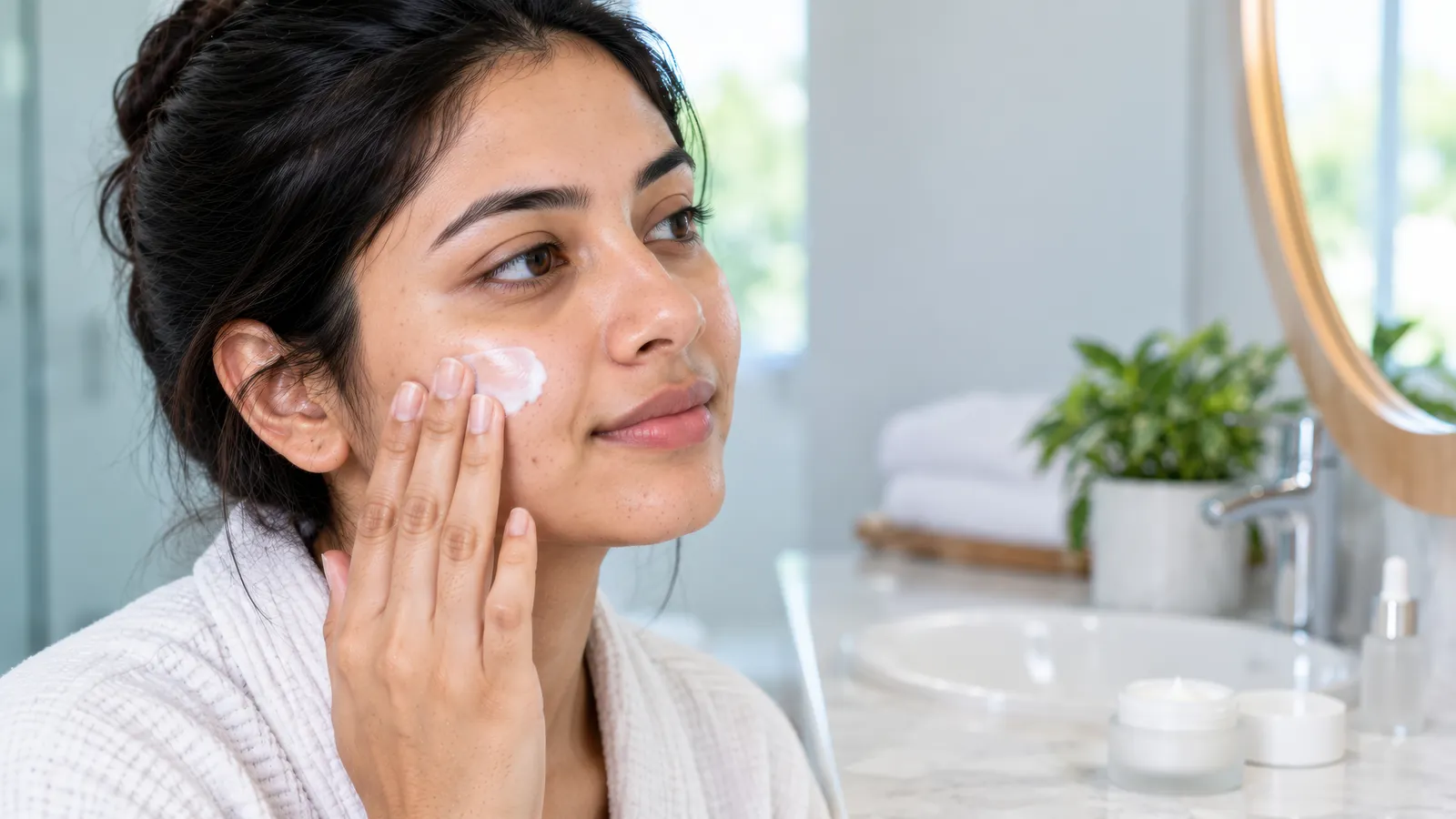 Acne & Oily Skin
Skincare Routine for Oily Skin in Pakistan’s Heat and Humidity
A simple morning and night routine for oily skin in Pakistan's heat and humidity, plus the habits that make the biggest difference.
 Acne & Oily Skin
Fungal Acne or Regular Pimples? How to Tell the Difference
Itchy, same-size bumps that never clear? Learn how fungal acne differs from regular pimples, what triggers it, and how doctors treat it.
 Acne & Oily Skin
Back Acne (Bacne): Causes, Prevention and Treatment at Home
Why back acne happens in Pakistan's heat, from sweat and backpacks to hair oil, plus simple prevention, home care and when to see a doctor.